pulsamento
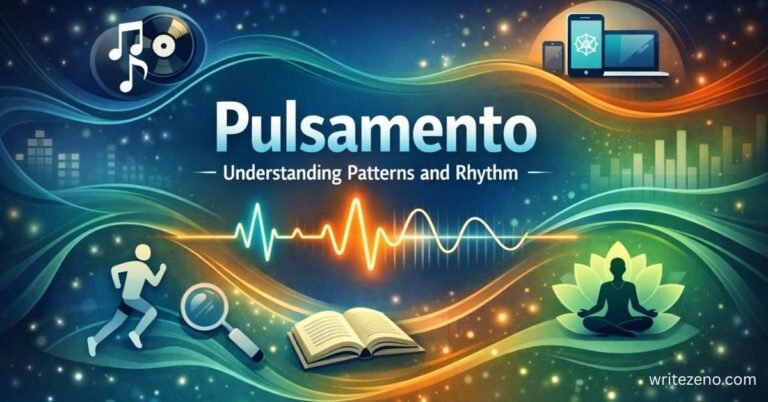
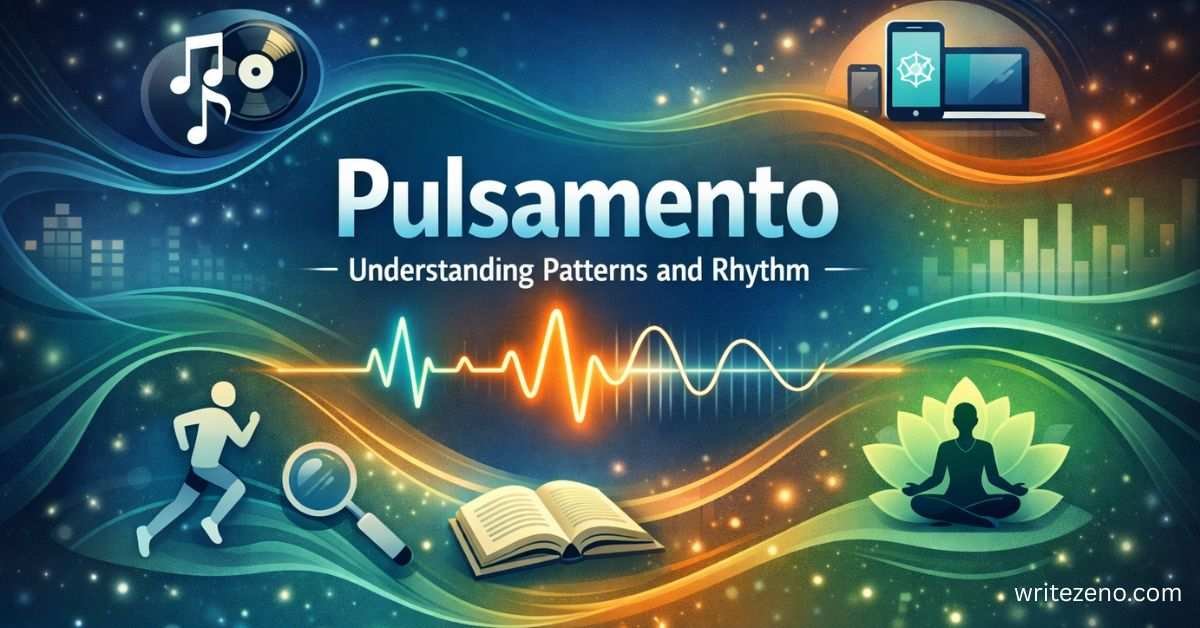
In today’s fast-paced world, certain concepts emerge that capture the imagination of innovators, tech enthusiasts, and creative thinkers alike. Pulsamento One such concept is Pulsamento—a term that evokes the idea of rhythm, flow, and dynamic movement. Whether in technology, art, or human interaction, pulsamento represents more than a mere beat; it embodies the principle of consistent energy, responsiveness, and interconnected systems.
In this article, we’ll explore Pulsamento in depth, unpack its relevance in various fields, and offer insights into why understanding this concept can transform the way we perceive innovation and interaction.
What Is Pulsamento?
Pulsamento is derived from the Latin root “pulsare,” meaning “to beat” or “to strike.” In modern usage, it often refers to a rhythm or pulse—something that moves in a consistent, measurable pattern. However, in the context of technology, business, or culture, pulsamento extends beyond simple repetition. It represents the dynamic and responsive heartbeat of systems, whether mechanical, digital, or human-centered.
In digital systems, pulsamento can describe how networks communicate efficiently, sending information in bursts that mirror the idea of a heartbeat. Similarly, in artistic contexts, it might refer to the rhythm of sound, visual patterns, or performance sequences that maintain audience engagement.
Understanding involves recognizing both consistency and adaptability. A system with a is not static; it responds to internal and external changes while maintaining its core rhythm. This quality makes it especially relevant in modern environments where adaptability is crucial for success.
Pulsamento in Technology
One of the most exciting applications of pulsameto is in technology. Pulsamento Think of it as the underlying rhythm that keeps systems alive and functional. In computing, for instance, many processes rely on cycles or “pulses” to regulate activity. These pulses ensure data flows efficiently and processes occur in harmony, minimizing bottlenecks and maximizing performance.
Artificial intelligence and machine learning systems can also benefit from a -inspired approach. By structuring tasks in rhythmic cycles, AI systems can analyze data, make decisions, and iterate in a manner that mimics a living organism. This not only improves efficiency but also enhances adaptability to changing inputs.
Moreover, pulsamento is vital in network communication. Modern networks rely on synchronized pulses to transmit information across servers and devices. If the pulse is too slow, latency increases; too fast, and the system risks overload. Finding the right balance—this ideal pulsamento—is key to achieving seamless performance.
Pulsamento in Art and Culture
Beyond technology, pulsamento has profound implications in art and culture. In music, is literally the heartbeat of a composition. It dictates timing, mood, and emotional impact. From classical orchestras to electronic dance music, the pulse is what gives life to sound and keeps listeners engaged.
Visual arts also reflect through patterns, repetition, and flow. Whether it’s a painting that guides the eye along a rhythmic path or a digital animation that moves in waves, helps maintain viewer engagement. It’s this invisible rhythm that often distinguishes captivating work from the mundane.
In cultural practices, can describe social dynamics. Think of the ebb and flow of conversations, festivals, or rituals. These human rhythms—though subtle—reflect the pulsamento of communities, helping individuals synchronize with shared experiences and values.
The Role of Pulsamento in Business and Innovation
In business, pulsamento is a metaphor for operational rhythm and strategic pacing. Companies that maintain a strong internal pulse—consistent workflow, clear communication, and responsive decision-making—tend to perform better. A team with good pulsamento can adapt to market changes quickly while maintaining efficiency and cohesion.
Innovation also thrives on pulsamento. Many breakthrough ideas emerge when cycles of creativity, feedback, and iteration align seamlessly. Startups, for instance, often adopt agile methodologies that inherently rely on -like processes: sprints, evaluations, and adjustments that form a recurring rhythm to accelerate growth.
Understanding in business isn’t just about speed; it’s about timing. Knowing when to act, pause, or adjust is crucial. Companies that master this rhythm can harness energy without burnout, creating sustainable innovation cycles.
Pulsamento in Daily Life
Interestingly, isn’t limited to professional or creative contexts. It’s deeply embedded in human life. From the literal heartbeat to the sleep-wake cycle, humans operate on rhythmic patterns. Recognizing and aligning with these rhythms can improve productivity, mental health, and overall well-being.
For example, studies in chronobiology show that people perform better when their activities match natural cycles of alertness and rest. Pulsamento Applying principles—timing work, exercise, or creativity according to personal rhythm—can optimize outcomes.
Even in social interactions, plays a subtle role. Conversations, group activities, and collaborative projects all benefit from a shared rhythm. that intuitively align their often communicate more effectively, faster decisions, and build stronger relationships.
Why Pulsamento Matters in the Modern World
In a world dominated by technology, constant change, and information overload, pulsamento offers a framework for balance and efficiency. By understanding the pulse of systems, whether technical, artistic, or human, we can enhance responsiveness, productivity, and engagement.
Moreover, highlights the importance of synchronization. A network, team, or community that operates out of sync often experiences friction, inefficiency, and stress. Recognizing the underlying pulse and aligning with it can be a game-changer.
Finally, encourages a mindful approach to timing and flow. Instead of rushing or forcing outcomes, it emphasizes working in cycles, responding to feedback, and maintaining sustainable energy. This mindset is especially valuable in high-pressure environments where resilience and adaptability are crucial.
Conclusion
Pulsamento is more than just a beat—it’s a guiding principle that spans technology, art, business, and daily life. By understanding and applying , we can improve system efficiency, enhance creativity, foster innovation, and optimize human performance.
Whether you’re designing AI systems, composing music, leading a team, or simply managing your own daily routines, recognizing the rhythm that governs activity can be transformative. The power of lies in its universality: it’s a principle that applies across disciplines, helping us move with energy, purpose, and harmony.
In short, reminds us that success—whether in innovation, art, or life—is not just about force or effort, but about rhythm, timing, and flow. Those who master this pulse are often the ones who thrive in a rapidly evolving world.
About the Author